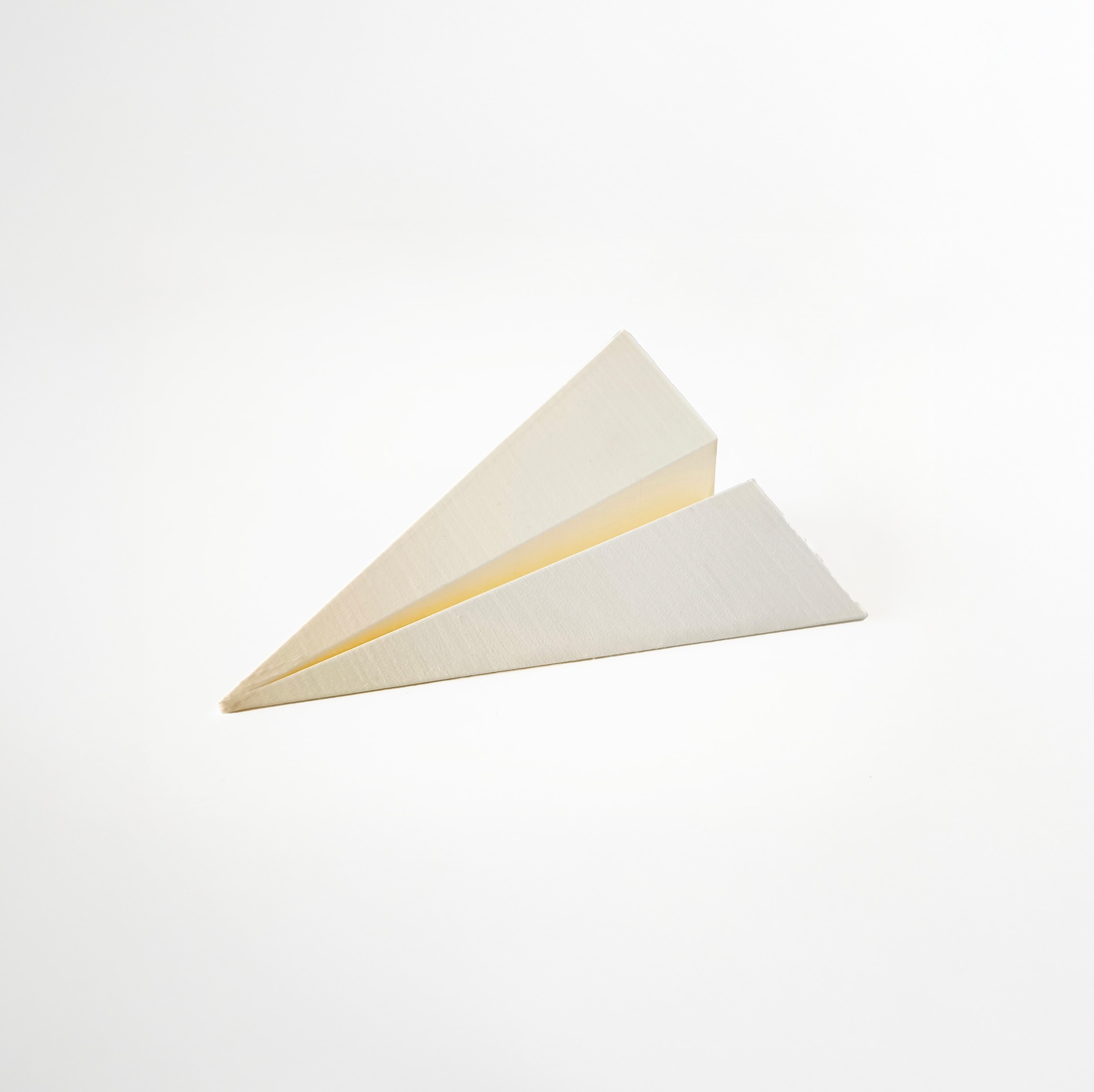
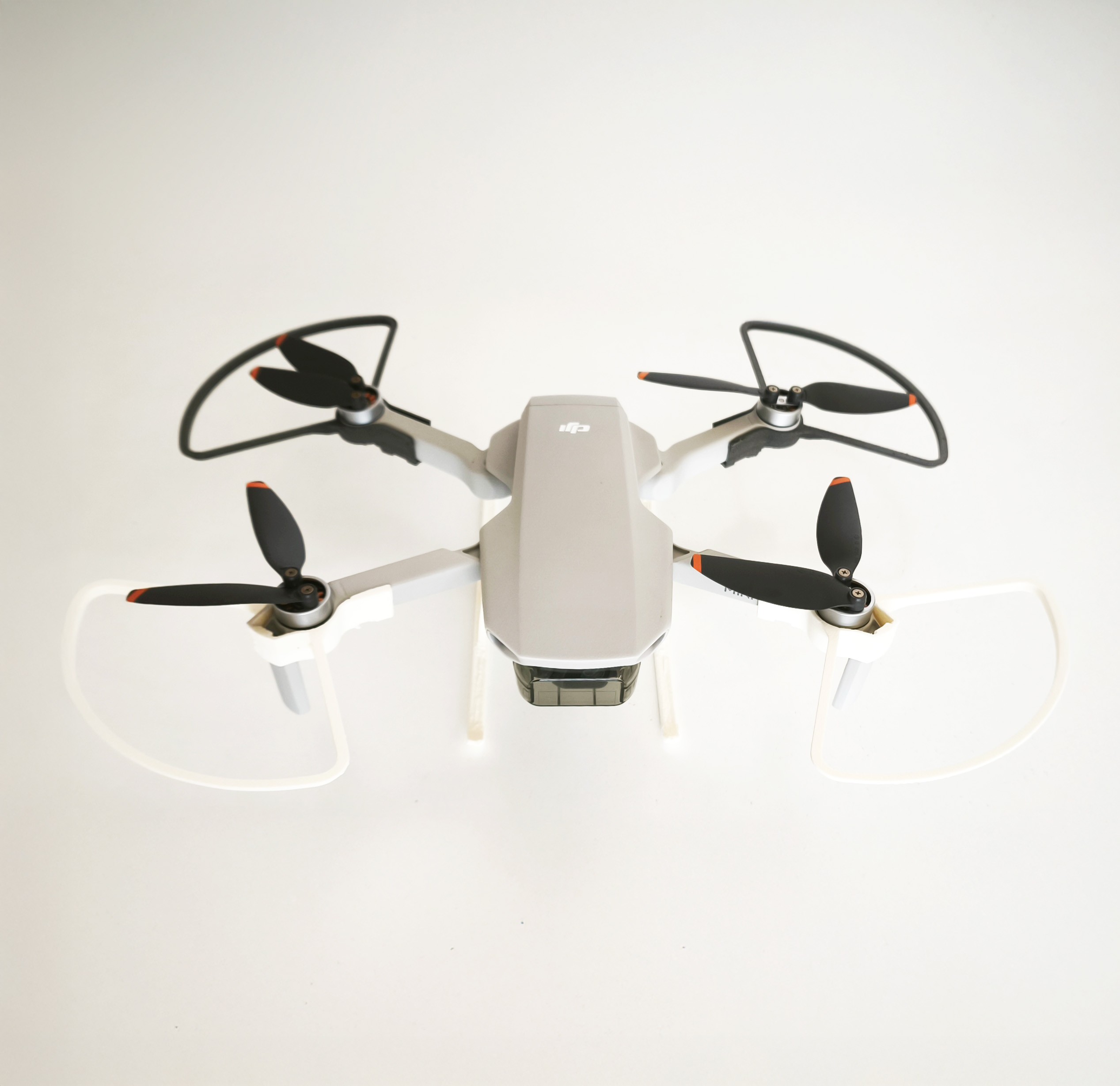
SMARTFIL® PLA Expandable Light Weight – Engineered for those who demand lightness without compromising quality. Its innovative formula can reduce part weight by up to 65% while maintaining excellent mechanical strength and high detail resolution. Perfect for applications where low weight is essential, such as drones, aeromodelling, scale models, or large-format printing, optimizing both performance and material usage.
SMARTFIL® PLA Expandable Light Weight – Engineered for those who demand lightness without compromising quality. Its innovative formula can reduce part weight by up to 65% while maintaining excellent mechanical strength and high detail resolution. Perfect for applications where low weight is essential, such as drones, aeromodelling, scale models, or large-format printing, optimizing both performance and material usage.
DESCRIPTION
SMARTFIL® PLA LW (Light Weight) is a technical filament designed to produce ultra-lightweight parts without compromising print quality or mechanical strength. Its special formulation allows the material to expand during extrusion, achieving up to 65% weight reduction and optimising material usage.
Perfect for applications where low weight is essential —such as drones, mobile prototypes or large decorative elements— this PLA offers a professional matte finish, excellent layer adhesion and is compatible with most FDM printers.
Main advantages
Up to 65% weight reduction.
Lower material usage per part.
Matte, professional surface finish.
Good mechanical strength.
Printable without heated bed.
Ideal for large or mobile parts.
Printing guide
Nozzle: 220–250 °C
Bed: 40–60 °C
Speed: 30–50 mm/s
Recommended flow: 60–80% of standard PLA.
Technical note: Expansion is directly proportional to temperature.
Higher temperature → Lower flow to maintain size and dimensional stability.
Lower temperature → Higher flow to compensate for reduced expansion.
___
Step-by-step guide to print SMARTFIL® PLA LW
Prepare the 3D model
Use lightweight geometries (honeycomb, thin walls) to maximise weight reduction.
If you need stiffness, prioritise wall thickness over infill.
Printer setup
Nozzle:220–250 °C (tune based on surface finish and expansion).
Bed:40–60 °C (can be printed without heat, but a warm bed improves adhesion).
Speed:30–50 mm/s (slower speeds help uniform expansion).
Cooling: keep fan low on the first layers; increase later only as needed.
Flow tuning
Start at 70 % of your normal PLA flow (range 60–80 %).
Important: expansion is directly proportional to temperature.
Higher temperature → Lower flow to preserve dimensions and stability.
Lower temperature → Higher flow to compensate for reduced expansion.
Validate with a small test part before full prints.
Print & monitor
Watch the first layers for adhesion and even extrusion.
If walls look over-expanded or foamy, reduce temperature and/or flow.
If extrusion looks under-expanded (gaps/thin walls), slightly raise temperature or flow.
Post-processing (optional)
The natural matte finish often avoids sanding/painting.
For extra strength, increase wall thickness or infill in the model.
At Smart Materials 3D we use our own and third party cookies. If you continue browsing, we consider that you accept its use Click here for more information.